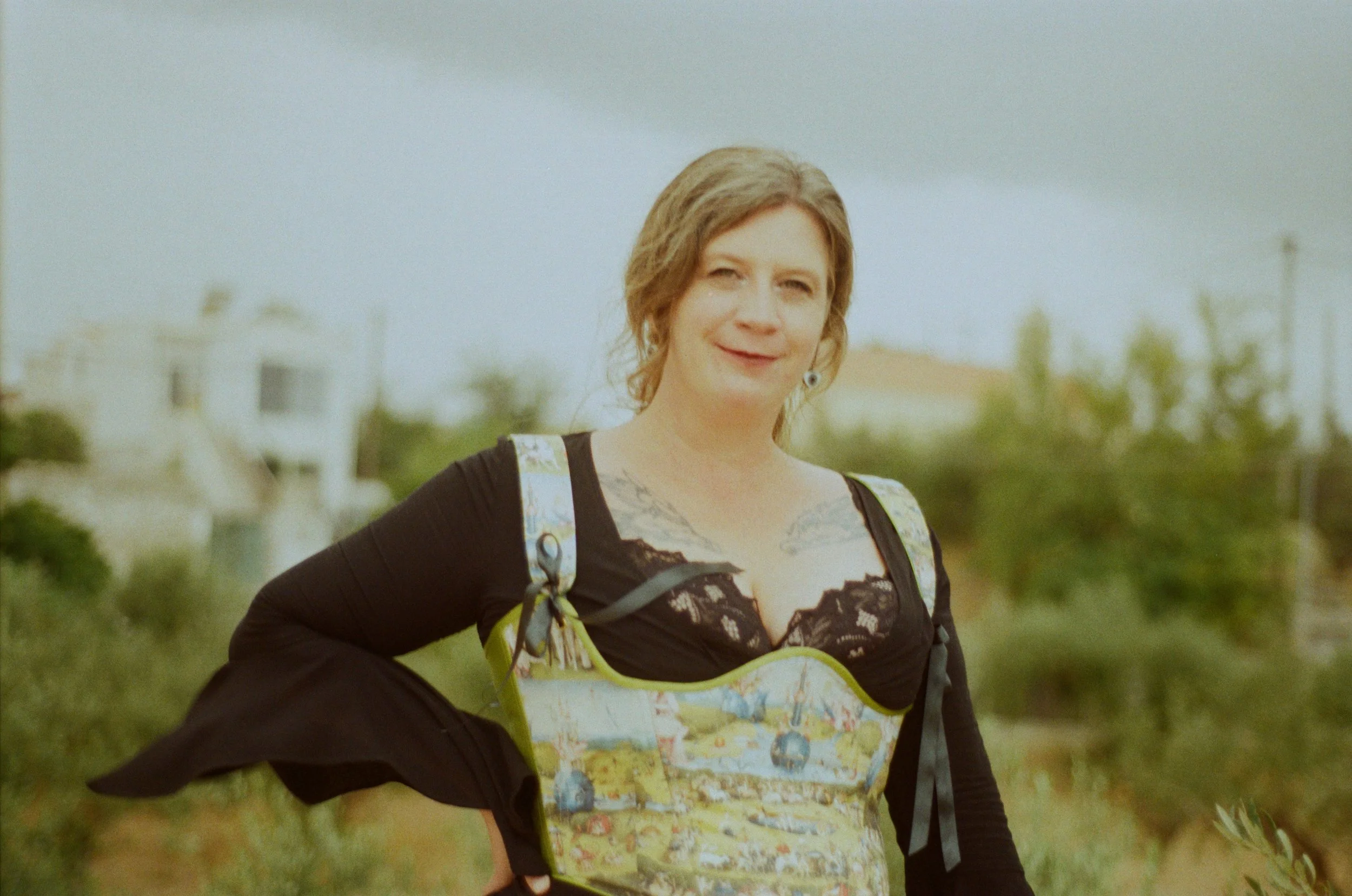
The beginning
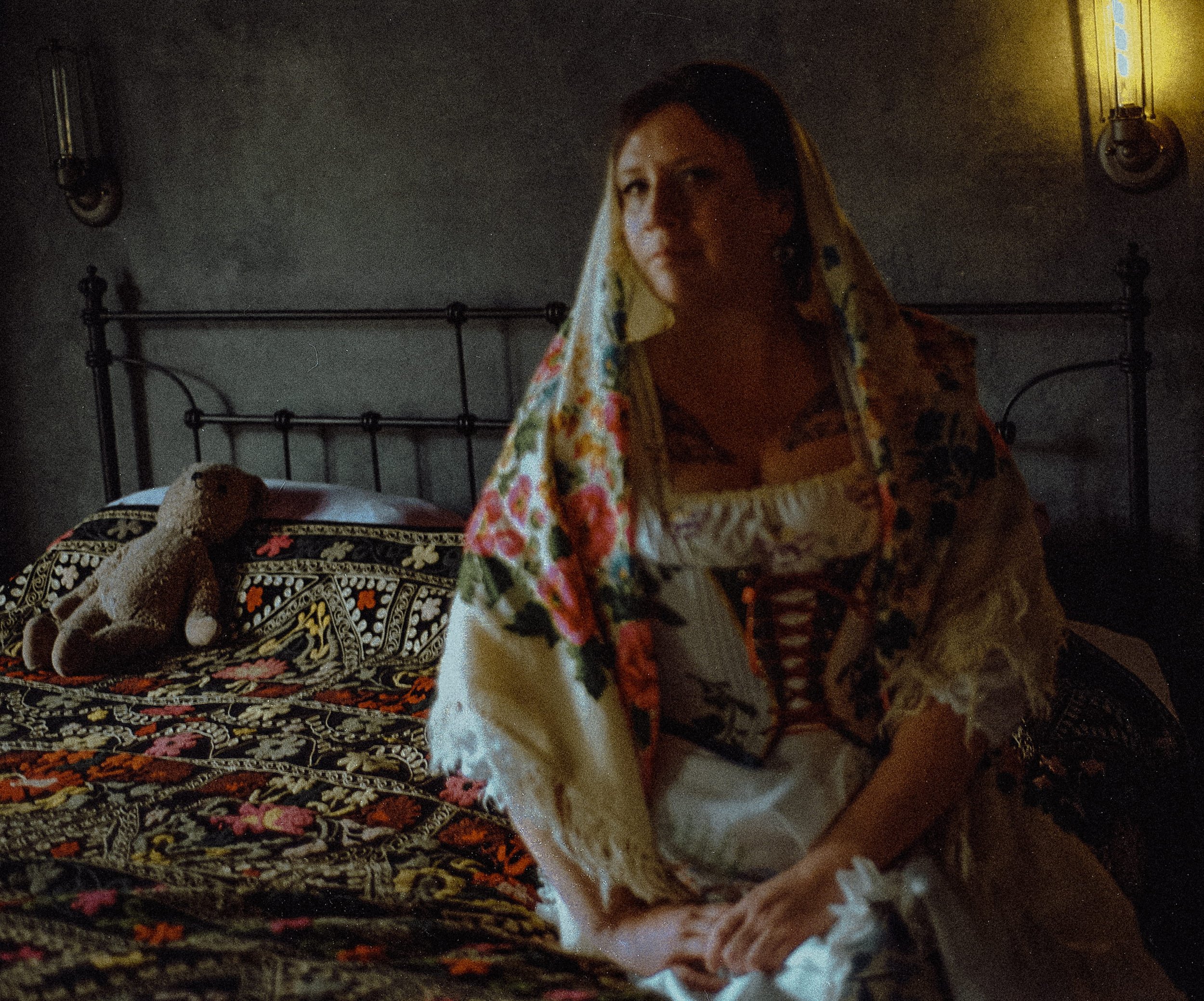
Photo by Mano Svanidze
It was from Budapest that I first heard the call of the Black Sea… the heritage between the Ottomans, the Austro-Hungarian Empire, the Slavs and the Balkans echoed – lingering from the past like a cloud over present time. Even before I knew exactly what it was I loved the chaotic beauty of it. Little did I know that later in my life it would become the theoretic nervous system of my creative dream; a palpitating tapestry of the eclectic places which captivate me. Each dream depicts the cartography of a million untold fairy tales, living through the diaspora of an archaic vesseled blood line.
The power of textile has transformed my perspective of the world. Every fiber I have touched has given me a context of the maker and the origin story. This is where heritage becomes prevalent, and why there is value in tradition. The part that is often forgotten is the value of regeneration, as well; tradition does not thrive without the breath of regeneration. This is why passing the crafts down to the children and the grandchildren is necessary.
The belief in heirloom is powerful – the dowry, and power of a bride’s endorsement. But also the way that textiles connect mother’s and daughter’s, grandmother’s to granddaughters and so on. Textile has been a secret language for women to tell their stories to their kin for as long as the craft has been known. A subtle voice, ornamented in flower petals and curling motifs.
Once the complexity of the Black Sea occurred to me it naturally became my compass. I do not need to seek a muse when I am looking through the Black Sea lens – because I am on the axis of infinite angles. The only way for me to understand them is to go through them, intricately unwinding the spindle from each one. I’m still in the process.
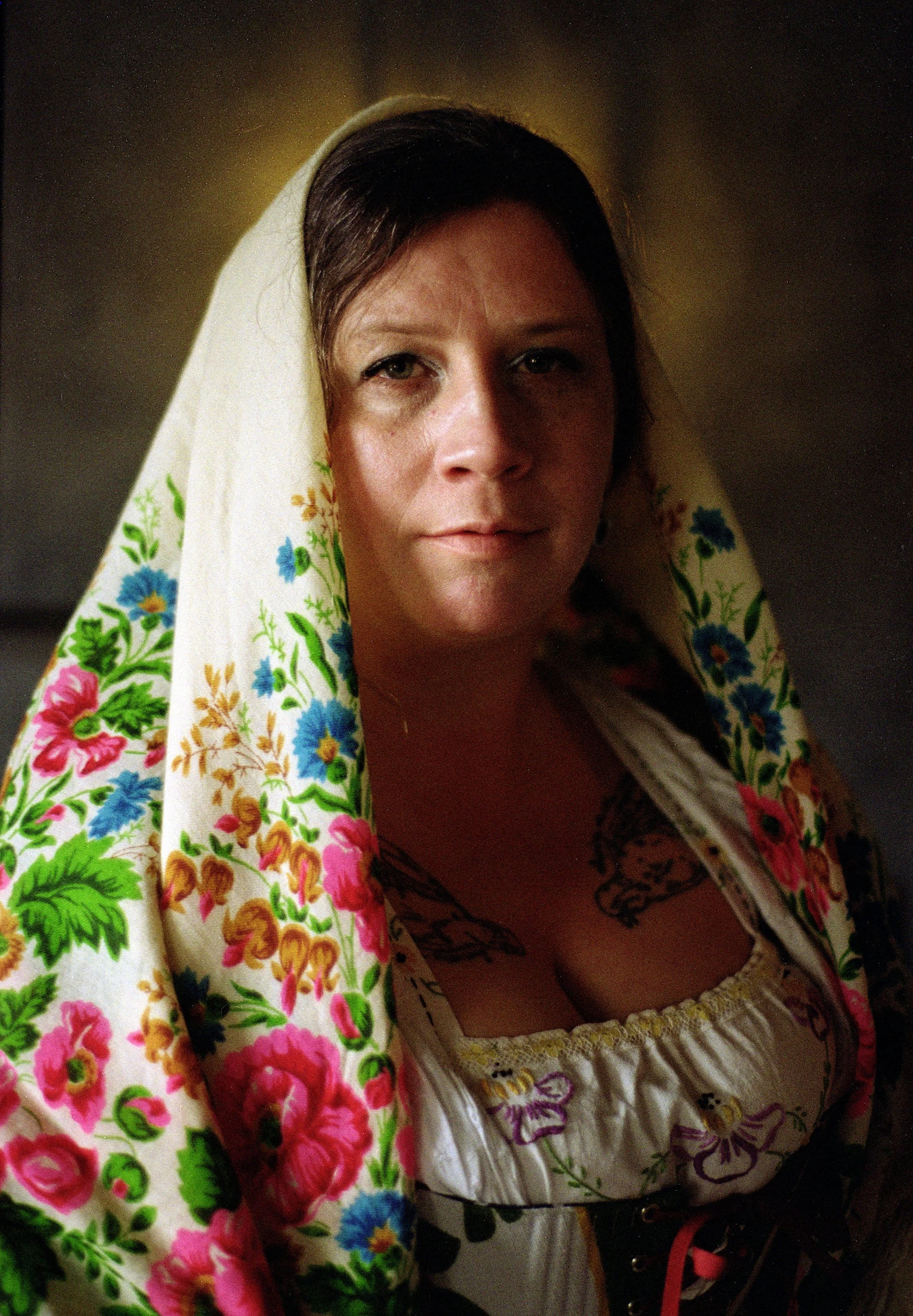
Photo by Mano Svanidze
Despite the seed being planted in Budapest the flowers started to bloom some years later in Tbilisi. Something like a Rose Revolution Spring for Sakartvelo bloomed in my mind that Autumn. It was my first time living in Georgia, or any Soviet country for that matter. During the era of Covid I found myself there, in the South Caucasus. Interesting doors were opening – both metaphysically and intellectually. I entered as many of them as I felt brave enough to, whenever possible.
Such portals continued to appear for me through my travels, even after I left the Caucasus. The common thread for every door I enter is that in some way they are all related to textiles. Each entrance has given me the opportunity to step into a new fairytale… Watching the sunset from a Soviet era ferris wheel in Batumi while wearing a beautiful sea blue vintage reproduction dress from a Georgian designer. Drinking wine, enjoying a romantic picnic and gazing at the stars while sitting on a hand woven Anatolian kilim in Cappadocia. Listening to the bells of Kukeries, Busos and Kurents as they dance in their elaborate costumes every Winter throughout the Balkans. A train ride across Kazakhstan on a sleeper car, while carrying suitcases of Silk Road treasures. Every experience I name here and beyond has given me the opportunity to lean deeply into whimsy, further believing in the poetic magic of the world, despite the troubles of the current day – and trouble (or history of trouble) in the regions I choose to explore should also be pointed out. It may not be a venture for the faint of heart.
I guess the most valuable lesson for me in this has been that there is a potential to find good and beauty in any place, with any people of the world. We live in a time that encourages us to forget this, but it really is worth remembering. I have many more valuable things to share about what I’ve learned in my travels, and I will in future blogs – but the most valuable thing of all is remembering we are all the same and beauty can be found anywhere. What a blessing that we can all share our textiles to help us understand the similarities of all of our stories – a craft that can perhaps help us overcome our differences.
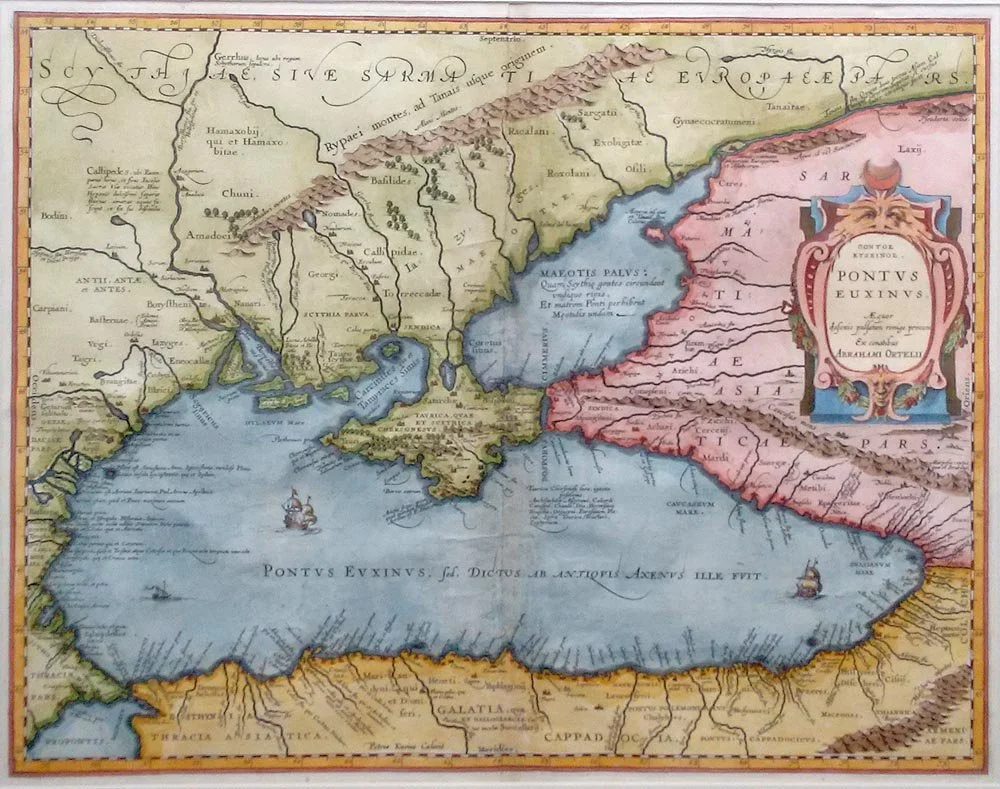
The Black Sea by Abraham Orteluis circa 1603